Thoughts and reflections on North Saanich
A collection of perspectives, community observations, and ideas from Stuart Mackinnon on local governance, sustainability, and preserving the rural character of our district.
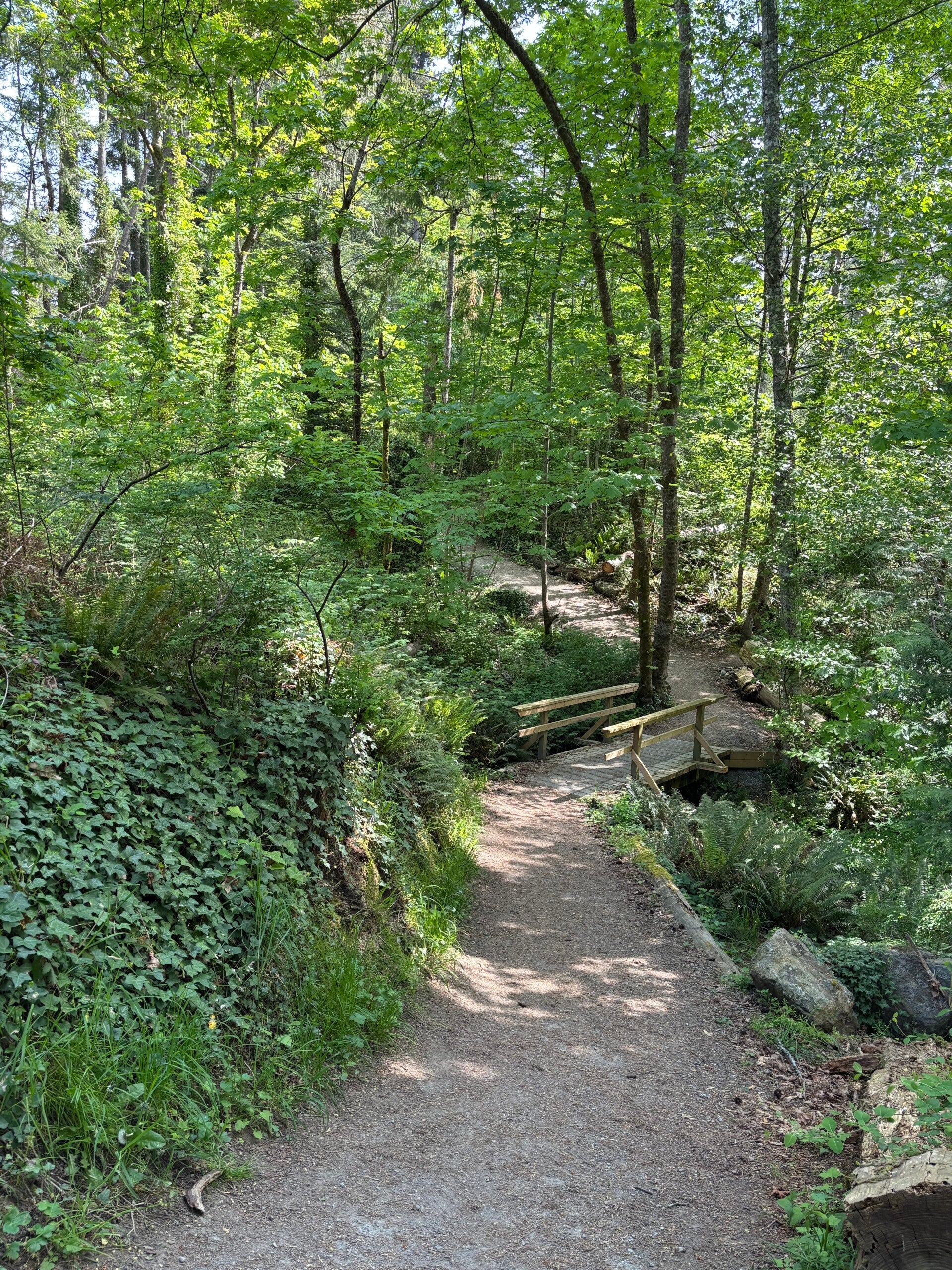
What do I think Rural means from a North Saanich perspective
For me, rural means that it’s located outside towns (Sidney) and cities (Victoria). Typically, rural areas have a lower density and smaller settlements. Agricultural areas and areas with forestry are usually described as rural. That doesn’t mean that there are not denser areas or neighbourhoods like Dean Park or MacDonald Park, nor that more development couldn’t be imagined at places like McTavish near the bus loop.
I think most of us chose North Saanich because it has a country charm, with farms and forests, trails and access to natural spaces.
I want to keep agriculture and natural spaces for all of us to enjoy.
I also want housing for our seniors and young families, so kids who grow up here can stay here. With careful management, we can have both.
North Saanich holds a unique charm rooted in working farmlands, forested trails, and scenic shorelines. Preserving these irreplaceable green spaces requires thoughtful municipal planning, steadfast commitment to the Agricultural Land Reserve, and a clear vision for community-centred conservation.
My thoughts on political parties at the municipal level
From an Op/Ed in the Victoria Times Colonist, 14 August 26
It would appear that the District of North Saanich has a new civic party registered with Elections BC. Most municipal elections in British Columbia are contested by independents. Members of the community seek office on their own merit. The exception is the large communities in the Lower Mainland that have developed party machinery, resulting in block voting and a loss of independent thinking.
This is not the first time North Saanich has had an electoral machine. A group called Team North Saanich emerged to contest the 2011 local elections, successfully backing a conservative-leaning majority of local councillors. The organization unravelled during the 2014 general local election. Four of their five slate candidates were defeated, leaving only one member elected to council. In the 2022 municipal election, a registered third-party sponsor group, Save North Saanich, managed to elect all but one of their endorsed candidates, resulting in a very dysfunctional council. Partisan politics has not served this community well.
In a 2024 article about Saskatoon, The Centre for Policy Alternatives describes it this way: “Since the municipal Reform movement of the early 20th century, the public, politicians, and academics have overwhelmingly talked about municipal politics as something that is uncontroversial and fundamentally not about partisan division. Instead, we like to imagine municipal policy-making as a technocratic exercise based around competent management of city services. As the saying goes, there’s no liberal or conservative way to fill a pothole.”
The issue in North Saanich seems to be preservation of our rural landscape, described as development versus no development. But this appears to be a red herring, as virtually everyone I have spoken to wants to preserve our special relationship with agriculture, nature, and our rural character while acknowledging more housing is necessary. Rather, the issue seems to be no-growth versus smart growth. Anger versus rational debate. Not in my backyard versus development in select areas already zoned for development.
We have seen similar arguments in other wealthy enclaves like West Vancouver, Anmore, and the Shaughnessy neighbourhood in Vancouver: angry, wealthy landowners not wanting any changes in their communities. In Vancouver, one resident referred to themselves as the ‘crème de la crème’ when opposing the idea of having rapid transit at the periphery of their neighbourhood.
Change and growth are inevitable. How that change and growth are managed is not. Anger and exclusionary tactics won’t preserve our agricultural base and natural beauty. As we have seen, this approach has simply brought the interference of the provincial government to a dysfunctional municipal council.
Choosing seven independent individuals shouldn’t be an onerous task. We need folks who will listen to the public, to each other, and to the professional staff, and then make rational decisions. We don’t need puppet-masters pulling strings behind the scenes.
In the next election, we may be faced with the choice of rational debate or anger. Inclusion or exclusion. Smart growth or imposed growth. Let’s keep the anger and nimbyism out of our public debate. Let’s keep rational, independent candidates on our municipal council. Political parties, slates, and block voting have no place in our municipal politics.
Is the current North Saanich Council dysfunctional?
from my Rural By Nature blog 11 October 2025
I remember early in its term, North Saanich Council was lumped in with Harrison Hot Springs and Kamloops as dysfunctional councils. I have been 'playing' with AI of late, and when I asked this question, Chat GPT replied with this (note the first-person reply!):
There’s credible evidence that many people believe the North Saanich council is exhibiting signs of dysfunction — though whether it is “dysfunctional” overall depends on how one defines that term. I’ll lay out some of the issues raised, what people are saying, and then give a rough assessment.
Issues & Complaints
Here are several recurring criticisms and conflicts involving North Saanich council:
Pickleball court controversy
The council closed the Wain Park courts due to noise complaints, then later rejected motions to reopen them with sound mitigation, despite community pushback. Some residents accuse the council of favouring a few complainants over the broader public interest. There have been legal threats from community groups arguing the decision process lacked sufficient public input.
Transparency, process, and public engagement concerns
A planning consultant (Modus) resigned, citing a misalignment between what the public had expressed in engagement exercises, and the direction that council / advisor committees appeared to want. Times Colonist critics (letters, etc.) have alleged that the council is operating with less openness, using private conversations, or restricting which voices are heard.
Housing target issues
North Saanich is at risk of missing provincially mandated housing targets; in one case, the first year target was 60 units, and only 6 net-new units were delivered. The province has expressed concern over “insufficient detail” in the district’s plans, and the council rejected some attempts to discuss or debate the minister’s letter on the subject.
Staff turnover, governance concerns
The Chief Administrative Officer resigned, and there was a large severance/offer to leave ($300,000) amid what was called “ongoing turmoil” related to the official community plan (OCP). Other senior staff associated with the planning process also left.
Concerns over respect, civility, and decision-making
There have been claims of “autocratic” decision-making, emails/public meeting conduct that some feel marginalize councillors or members of the public. A former councillor resigned after an incident in which he called the mayor “Mr. Hitler,” which he said followed frustrations about how meetings and decisions were being handled.
What This Suggests
Based on what’s reported, some patterns emerge:
Polarization & conflict over key issues (housing, community planning, recreation amenities).
Process complaints are common: people saying they aren’t being heard, that committee or consultation work is undermined or redirected, that decisions have been made without apparent openness.
High stakes: legal, financial, reputational — e.g. lawsuits threatened, large sums spent or offered, consultant contracts broken.
Tension between premium public expectations and “rural character” /resistance to change. Many residents seem to prefer little densification; others want more housing. The council seems to be in a difficult spot balancing these.
So, is it “Dysfunctional”?
If by “dysfunctional” one means:
difficulty in making binding or broadly accepted decisions;
breakdowns in communication;
lack of trust from parts of the public;
inability to meet external obligations (e.g. housing targets);
frequent conflict or procedural irregularities —
then yes, there are real signs that parts of the council are functioning poorly, especially around public engagement, process, and balancing competing priorities.
However, it’s not obvious the council is wholly nonfunctional. It is still making decisions, still engaging in planning (though contentiously), still has governance structures in place, etc.
Assessment
North Saanich council appears to be in a state of strained governance. It is facing growing pains: conflicts over development vs rural identity, procedural transparency, and public trust are undermining its ability to act smoothly. Some of its failings are in fulfilling provincially mandated targets (housing), and in handling contentious community issues without alienation.
It’s not an outlier — many municipalities in B.C. are dealing with very similar tensions (see reports on increasing municipality-level dysfunction across the province).